当前位置 : 首页 > 产业研究 > 智库支撑
产业研究
Industry research前言
在人工智能浪潮以前所未有的速度重塑全球产业格局的今天,AI Agent(智能体)正从技术概念迅速演进为核心的生产力引擎与战略制高点。其不仅代表了下一代人机交互的范式转移,更是驱动业务智能化、自动化与价值创新的关键所在。鼎韬国际合伙人与鼎韬咨询以前瞻性的行业洞察,于去年年中即已深刻把握这一趋势的本质,率先认识到AI Agent将对产业未来产生的决定性影响。
我们并未止步于洞察。基于深厚的行业积淀与实践经验,鼎韬团队已于去年在亚马逊平台权威出版《AI智能体》专著,系统性地阐述了AI Agent的开发框架及其对业务与实施的变革性赋能。
当业界仍在观望之际,去年末Meta(原Facebook)以高达20亿美金、仅耗时11天的闪电谈判,收购中国原生AI Agent公司Manus的案例,以震撼之势验证了该方向的巨大价值与紧迫性。而鼎韬,凭借其深刻的行业理解与战略眼光,早已位列全球少数率先洞见并布局此关键趋势的机构之中。
在此背景下,我们特此发布此份深度研究,旨在分享鼎韬在AI Agent领域的前沿思考与实践洞察,以期为各界伙伴驾驭智能未来提供智识参考与战略指引。
在当今快速演进的市场环境中,人工智能已从边缘创新转变为企业战略的核心驱动力。然而,许多组织仍困守自动化思维,仅将AI用于复制人类任务,而非重塑商业价值。真正的变革在于从基于任务的自动化转向由智能驱动的AI体:即具备学习、推理能力,并能以日益增长的自主性采取行动的系统。
这一方法的关键差异在于其聚焦战略整合,而非单纯技术实现。AI体代表了一次范式转移——从执行预设功能转向在动态环境中解决复杂问题。它们不仅遵循规则,更能解读情境、预测结果并持续优化。
智能体系统的三大支柱
AI体建立在三大核心技术基础之上,每项技术为企业带来独特能力:、
1. 机器学习——使系统能够识别数据模式并进行预测,例如综合天气与经济指标等变量预测零售需求。
2. 神经网络——处理图像或文本等非结构化数据,使医疗诊断、质量检测等应用达到人类水平的精度。
3. 强化学习——通过试错机制让系统学习最优行为,彻底变革机器人、实时金融交易等领域。当这些技术融合时,AI体得以实现全局化运作。例如,一个制造业智能体可利用计算机视觉检测缺陷,同时分析历史数据预测设备故障,还能自主优化维护排程。
AI体成熟度模型:转型路线图
并非所有企业都具备全面部署AI的条件。结构化成熟度模型可帮助企业评估准备状态并规划发展路径:
第一级:实验阶段——开展孤立试点,系统整合有限
第二级:战术阶段——多场景部署,但各自为政缺乏协同
第三级:协同阶段——建立集中治理体系与跨职能团队
第四级:战略阶段——AI深度融入业务运营与规划
第五级:变革阶段——AI驱动新商业模式与市场机遇
目前多数世界500强企业处于2-3级之间。而达到4-5级的企业(如星展银行、中国平安)营收增长普遍超出行业平均水平达23%。
人机协同:新型组织生态
与普遍担忧相反,AI体并非取代人类,而是在增强人力。最成功的企业围绕人机协作重构工作流程,充分发挥各自优势:
自动化处理重复性、高精度任务
增强化支持复杂决策(如诊断分析或战略规划)
创新化生成新见解与备选方案供人类优化
西门子、发那科等企业率先实践这种混合模式,将AI的精确性与人类的创造力、情商相结合,最终实现生产力提升、错误率下降与员工更高参与度。
伦理治理与全球适应性随着AI体影响力扩大,必须前瞻管理伦理与运营风险:
算法偏见——通过多样化训练数据与持续审计缓解
可解释性——在金融、医疗等受监管领域尤为关键
合规适应——协调欧盟《人工智能法案》、中国数据主权法规与美国行业监管等差异化框架
全球部署还需文化智能适配。AI系统不仅要适应语言差异,还需匹配沟通风格、决策习惯及本地用户期望。
从试点到全面推广
实现AI体规模化需要系统化战略:
技术架构——采用云原生可扩展平台,配备健全数据治理
变革管理——通过培训传达明确信息:AI是增强而非取代人力
效能监控——追踪技术指标(响应速度、准确率)与业务成果(投资回报率、用户满意度)
将AI整合视为持续转型而非一次性项目的企业,方能构建持久竞争优势。
未来属于自适应智能
下一代AI体将呈现三大趋势:更高自主性、量子计算融合、可持续发展聚焦。前瞻性企业已通过建设模块化基础设施、培育持续学习文化、建立确保负责任创新的伦理框架来积极准备。
在这个新时代蓬勃发展的组织,都将AI视为重塑业务的催化剂而非成本中心——通过技术能力与人类智慧的深度融合,打造更具响应力、更高效、更创新的企业形态。
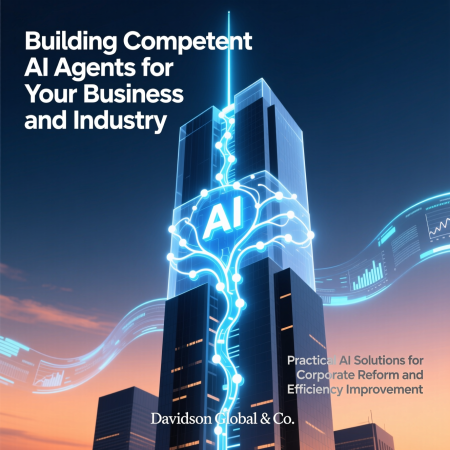
From Automation to Augmentation: Building Business-Centric AI Agents for Sustainable Competitive Advantage
In today’s rapidly evolving business landscape, artificial intelligence has moved from a peripheral innovation to a central driver of corporate strategy. Yet, many organizations remain stuck in the automation mindset—using AI to replicate human tasks rather than redefine business value. The true transformation lies in shifting from task-based automation to intelligence-driven AI agents: systems that learn, reason, and act with increasing autonomy.
What sets this approach apart is its focus on strategic integration, not just technical implementation. AI agents represent a paradigm shift—from performing predefined functions to solving complex problems in dynamic environments. They don’t just follow rules; they interpret context, predict outcomes, and continuously improve.
The Three Pillars of Intelligent Agent Systems
AI agents are built on a foundation of three core technologies, each bringing a unique capability to the enterprise:
1. Machine Learning enables systems to identify patterns and make predictions based on data—such as forecasting retail demand using variables from weather to economic indicators.
2. Neural Networks process unstructured data like images or text, enabling applications from medical diagnostics to quality control with human-level accuracy.
3. Reinforcement Learning allows systems to learn optimal behaviors through trial and error—revolutionizing fields like robotics and real-time financial trading.
When combined, these technologies enable AI agents to operate holistically. For example, a manufacturing agent might use computer vision to detect defects while analyzing historical data to predict equipment failures—all while optimizing maintenance schedules autonomously.
The AI Agent Maturity Model: A Roadmap for Transformation
Not all organizations are ready for enterprise-wide AI deployment. A structured maturity model helps businesses assess their readiness and plan their evolution:
· Level 1: Experimental – Isolated pilots with limited integration.
· Level 2: Tactical – Multiple deployments, but siloed and uncoordinated.
· Level 3: Coordinated – Centralized governance and cross-functional teams.
· Level 4: Strategic – AI is integral to business operations and planning.
· Level 5: Transformational – AI drives new business models and market opportunities.
Most Fortune 500 companies currently operate between Levels 2 and 3. Those reaching Level 4 or 5—like DBS Bank or Ping An Insurance—report revenue growth up to 23% above industry averages.
Human-Agent Collaboration: The New Organizational Dynamic
Contrary to popular fear, AI agents are not replacing human workers—they are augmenting them. The most successful organizations redesign workflows around human-agent collaboration, where each plays to its strengths:
· Automation handles repetitive, high-precision tasks.
· Augmentation supports complex decision-making (e.g., diagnostics or strategic planning).
· Innovation generates new insights and alternatives for human refinement.
Companies like Siemens and Fanuc have pioneered this hybrid model, pairing AI precision with human creativity and emotional intelligence. The result? Higher productivity, reduced errors, and more engaged employees.
Ethics, Governance, and Global Adaptation
As AI agents gain influence, ethical and operational risks must be proactively managed. Key considerations include:
· Algorithmic Bias – Mitigated through diverse training data and ongoing audits.
· Explainability – Especially critical in regulated sectors like finance and healthcare.
· Regulatory Compliance – Navigating divergent frameworks such as the EU’s AI Act, China’s data sovereignty rules, and sector-specific U.S. regulations.
Global deployment also requires cultural intelligence. AI systems must adapt not only to language but also to communication styles, decision-making norms, and local user expectations.
From Pilot to Enterprise-Wide AdoptionScaling AI agents beyond pilot projects requires a deliberate strategy:
· Technical Architecture – Cloud-native, scalable platforms with robust data governance.
· Change Management – Training, communication, and clear messaging that AI enhances—not replaces—human roles.
· Performance Monitoring – Tracking both technical metrics (response time, accuracy) and business outcomes (ROI, user satisfaction).
Organizations that treat AI integration as a continuous transformation—rather than a one-time project—build lasting competitive advantage.
The Future Is Adaptive
The next wave of AI agents will be defined by greater autonomy, quantum computing integration, and heightened focus on sustainability. Forward-thinking companies are already preparing by building modular infrastructures, fostering cultures of continuous learning, and establishing ethical frameworks that ensure responsible innovation.
The organizations that thrive in this new era will be those that view AI not as a cost center, but as a catalyst for reinvention—blending technological capability with human insight to create more responsive, efficient, and innovative enterprises.
| 本文由戴维德森国际咨询与鼎韬咨询联合研究发布,英文原版已通过亚马逊非AI检测系统认证,中文翻译与插图得到AI辅助。
| 原文链接:https://www.amazon.com/dp/B0DWWFJZVD
版权所有:天津市数字贸易综合服务平台 备案号:津B2-20080229-9

 登录
登录 注册
注册










 联系人:高杨
  手机:+86-131-1480-9286
  邮箱:gloria.gao@devott.com
  微信:13114809286