
 当前位置 : 首页 > 产业研究 > 智库支撑
产业研究
Industry research当前商业世界如同一片广阔的“数字海洋”:市场日益饱和、竞争跨界交织、消费者高度互联。企业若想在此环境下稳健航行、实现增长,必须借助两大核心引擎——营销科技(Martech)与销售科技(SalesTech)。
本文将深入解析如何通过这两类技术的战略融合与落地应用,帮助企业构建可持续的增长框架。我们将从战略协同、技术实践、组织调整及未来趋势等角度,为您提供清晰的行动指南。
一、新现实:数字生态下的商业逻辑已变
传统行业界限正变得模糊。一家科技公司,可能同时涉足医疗、金融与娱乐领域。推动这一变化的根本力量,是消费者话语权的提升。
1.消费者主权时代到来:今天的消费者拥有极强的信息获取能力、丰富选择与广泛影响力。企业与客户之间的权力关系已经改变。
2.竞争格局被重构:数字平台降低了创业门槛,让灵活的新玩家也能挑战行业巨头。与此同时,竞争与合作关系交织,跨行业联盟日益普遍。
在此背景下,技术已从后台支撑转变为前端驱动力。掌握并运用Martech与SalesTech,成为现代企业的必备能力。
二、双核引擎:Martech与SalesTech的融合演进
Martech(营销科技)是一套技术工具集,旨在通过自动化、数据分析与内容管理,更高效地触达用户、培育互动并提升转化。
SalesTech(销售科技)则为销售团队赋能,提供从线索洞察、流程自动化到客户管理的全套工具,以提升销售效率、缩短成交周期。
当前的核心趋势是融合。过去,营销与销售常是各自为政;如今,数字化客户旅程要求两者无缝协作。例如:营销自动化平台与CRM系统打通,能使优质线索自动流转至销售,并附带完整的互动记录,为销售沟通提供充分背景。这种融合也催生了像“首席营收官(CRO)”这样的新角色,其任务是统合营销与销售,共同对整体收入负责。
三、基石:建立数据驱动的决策文化
Martech与SalesTech的核心价值,在于将海量客户数据转化为可执行的洞察。
1.从数据到洞察:整合来自网站、CRM、社交媒体等渠道的数据,通过分析构建精准用户画像,预测购买意向,实现个性化触达。
2.文化先于技术:实现数据驱动的主要障碍往往不是技术,而是组织文化。企业必须:
o 打破数据孤岛:推动跨部门的数据共享与协作;
o 提升数据素养:让员工学会用数据提问、分析与决策;
o 鼓励快速试错:建立“测试 → 学习 → 优化”的迭代机制。
四、实战:Martech如何提升营销效能
1.个性化客户体验借助个性化引擎与营销自动化,可根据用户行为与偏好,在关键时点(如弃购后、下载内容后)自动推送最相关的内容或优惠,实现“一对一”沟通,大幅提升互动与转化。
2. 自动化线索培育从潜在客户初次访问到最终成交,Martech可全程自动化培育。通过设置邮件流程、内容升级与线索评分模型,能精准识别高意向客户并优先转给销售,从而缩短周期、提高转化率。
3. 内容策略与分发内容是吸引和转化客户的燃料。有效策略是:针对不同购买阶段(认知、考虑、决策)和不同客户角色,制作差异化内容,并利用内容管理系统、社媒工具与广告平台进行精准分发。
五、赋能:SalesTech如何打造高绩效销售团队
1.销售赋能平台像“中央弹药库”一样,为销售团队提供随时可用的最新资料:销售素材、产品演示、案例研究与竞争情报,确保见客户时准备充分、言之有物。
2. 销售情报工具在接触客户前,即可了解其公司背景、业务痛点乃至最新动态(如招聘、采购),实现“知己知彼”的精准切入。
3. 销售流程自动化通过CRM、智能报价(CPQ)与电子签章等工具,自动化处理线索分配、合同生成、报价审批等重复工作,让销售团队聚焦于高价值的客户沟通。
4. 沉浸式销售体验运用VR/AR技术,可远程演示复杂设备、虚拟试装家具等,为客户提供沉浸式产品体验,极大增强展示效果与印象。
六、协同:整合Martech与SalesTech,实现全域增长
真正的增长动力来自两者的整合。打通Martech与SalesTech生态系统,能够:
1.形成统一客户视图:整合营销、销售、客服数据,构建360度客户画像。
2.实现闭环分析:追踪从营销触点到最终成交的全链路,清晰衡量营销活动的真实投资回报(ROI),并指导优化。
3.保障一致体验:确保客户在任一阶段、任一渠道与品牌互动时,感受连贯流畅。实现整合需有明确战略、跨部门协作流程以及支持数据流通的技术架构(如客户数据平台CDP)。
七、远见:未来趋势与前沿展望
1.人工智能深化应用:AI将在内容生成、超个性化推荐、预测性线索评分等方面扮演更核心角色。
2. 客户数据平台(CDP)成为中枢:CDP将作为企业统一的“客户大脑”,高效管理与激活第一方数据。
3. 隐私与信任经济崛起:随着数据法规趋严,基于透明与用户同意的营销策略将更具优势。区块链等技术可能在数据安全与验证中发挥作用。
4. 新交互界面涌现:语音助手、聊天机器人乃至元宇宙中的虚拟交互,将成为新的营销与销售战场。
5. 神经营销与生物数据:对消费者注意力、情绪反应的精细测量,可能为信息传达与创意优化提供全新洞察。
八、启示:全球领先企业的成功实践
可口可乐:利用AI分析社交数据,推出“分享可乐”个性化瓶身活动,引发全球传播,成功拉动销量。
丝芙兰:通过App中的AR虚拟试妆与AI产品推荐,打造沉浸式美妆体验,显著提升移动端订单与客户忠诚度。
耐克:借助AI实现个性化推荐与地理位置营销,融合线上线下,有效提高转化率与客户终身价值。
Salesforce:运用其AI平台Einstein进行销售预测与个性化辅导,提升销售团队的预测准确率与成单速度。
这些案例表明,将Martech与SalesTech置于业务核心而非辅助位置,是企业在数字时代构建持久竞争力的关键。
结语
数字海洋既蕴含风险,也充满机遇。企业若想成为成功的“航海家”,必须:
1.制定清晰的数字增长战略,将Martech与SalesTech置于核心。
2. 推动营销与销售的深度融合,打破组织壁垒。
3. 培育数据驱动与持续学习的文化,保持敏捷与实验精神。
4. 投资于可扩展、一体化的技术架构,并持续关注前沿趋势。未来属于那些能够将技术、人才与流程有机融合,并始终以创造卓越客户体验为中心的企业。
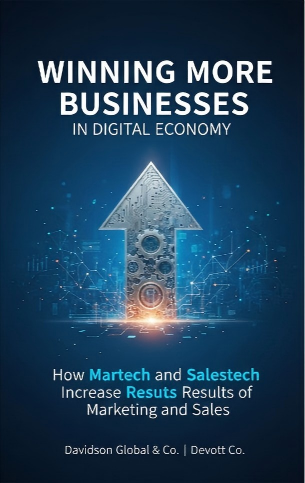
Winning More Businesses: How Martech and Salestech Increase Results of Marketing and Sales
In today’s hyperconnected and data-rich business environment—what author Stephan S. Sunn calls the “Digital Ocean”—companies of all sizes must embrace the convergence of marketing, sales, and technology to remain competitive. His book, Win More Deals via Martech & Salestech, provides a comprehensive roadmap for organizations seeking to harness the power of marketing technology (Martech) and sales technology (Salestech) to drive growth, improve customer experiences, and increase revenue.
Sunn begins by framing the modern economy as an overcrowded, fast-evolving digital landscape where customer expectations are higher than ever. Empowered by ubiquitous connectivity and abundant choices, today’s buyers demand personalized, relevant, and seamless experiences across every touchpoint. To meet these demands, businesses must integrate Martech and Salestech—not as isolated tools, but as interconnected systems that unify data, processes, and teams. The core thesis of the book is clear: those who successfully align marketing and sales through intelligent technology will create sustainable competitive advantage.
Martech, as defined in the book, encompasses tools like marketing automation platforms, content management systems (CMS), customer relationship management (CRM) software, data analytics engines, and personalization technologies. These enable marketers to generate, nurture, and convert leads with unprecedented precision. Salestech, meanwhile, includes sales enablement platforms, sales intelligence tools, configure-price-quote (CPQ) systems, and automation solutions that empower reps to close deals faster and more effectively. Critically, Sunn emphasizes that Martech and Salestech are no longer separate domains—they are converging into a unified revenue operations engine.
A key theme throughout the book is the necessity of breaking down traditional silos between marketing and sales. Sunn illustrates how integrated systems—such as connecting a marketing automation platform to a CRM—create a seamless flow of qualified leads, actionable insights, and closed-loop feedback. This alignment enables companies to develop a single, 360-degree view of the customer journey, from initial awareness through post-purchase loyalty. He advocates for shared goals, common metrics, and cross-functional teams (such as Revenue Operations or “RevOps”) to institutionalize this collaboration.
The book also addresses the human and cultural dimensions of digital transformation. Technology alone is insufficient; organizations must foster a digital-first culture that values data-driven decision-making, continuous learning, and agility. Sunn identifies common pitfalls in digital transformation—including lack of strategic clarity, legacy systems, talent gaps, and resistance to change—and offers practical strategies to overcome them, such as upskilling employees, encouraging experimentation, and involving teams in the change process.
Global expansion is another critical focus. Sunn explains how Martech and Salestech can be adapted for international markets by supporting multi-language content, complying with local data regulations (like GDPR), and respecting cultural nuances in communication and user experience. For small and medium-sized enterprises (SMEs), these technologies level the playing field, enabling them to compete globally with limited resources through scalable, data-informed strategies.
Looking ahead, Sunn explores emerging trends poised to reshape Martech and Salestech. Artificial intelligence (AI) and machine learning are already automating lead scoring, personalizing content, and forecasting sales outcomes with remarkable accuracy. Customer Data Platforms (CDPs) are becoming essential for unifying first-party data across channels. Innovations like augmented reality (AR), voice interfaces, and even neuromarketing are opening new frontiers in customer engagement. Yet with these opportunities come heightened responsibilities around data privacy, ethical AI use, and regulatory compliance.
The book concludes with compelling case studies that demonstrate real-world impact. Coca-Cola used AI-driven personalization in its “Share a Coke” campaign to reverse a decade-long sales decline. Sephora’s AR-powered mobile app increased mobile revenue by 75%. HubSpot’s inbound marketing engine tripled lead generation. Salesforce’s AI coaching platform accelerated new hire productivity by 25%. These examples underscore that Martech and Salestech are not passing fads—they are strategic imperatives.
In essence, Win More Deals via Martech & Salestech is both a strategic guide and a call to action. Sunn argues that the future belongs to organizations that view technology not as a back-office function, but as the central nervous system of revenue generation. By aligning people, processes, and platforms around the customer—and by fostering a culture of innovation and collaboration—businesses can not only survive but thrive in the Digital Ocean. The message is unmistakable: in the race for growth, Martech and Salestech are no longer optional—they are essential.
| 本文由戴维德森国际咨询与鼎韬咨询联合研究发布,英文原版已通过亚马逊非AI检测系统认证,中文翻译与插图得到AI辅助。
| 原文链接:https://www.amazon.com/dp/B0D8KMWM2V
版权所有:天津市数字贸易综合服务平台 备案号:津B2-20080229-9







 联系人:高杨
  手机:+86-131-1480-9286
  邮箱:gloria.gao@devott.com
  微信:13114809286