
 当前位置 : 首页 > 产业研究 > 智库支撑
产业研究
Industry research“会展科技:有市场影响力的会展所需的先进技术解决方案”为全球会展业描绘了一个紧迫而引人深思的未来图景。本文的核心观点是:在数字速度、全球互联和受众期望不断变化的当下,技术不再是可有可无的“附加品”,而是构建成功、高影响力会展的必备战略平台。
作者的独特视角在于,呼吁将会展策划彻底转型——从单纯的物流执行,升级为数据驱动、技术赋能、成果导向的战略资产,直接推动组织目标的实现和全球业务的发展。所有利益相关者——无论是参会者、赞助商,还是组织领导者——都要求价值可衡量、体验无摩擦、个性化程度更高。在现场(Live)、虚拟(Virtual)和混合(Hybrid)并存的会展新时代,竞争优势将属于那些率先创新、精心规划、并以最佳方式执行的组织。本文提供了一份实战性的战略路线图,指引从业者如何驾驭这场变革,确保会展成为跨越界限、推动增长的高杠杆体验。
一、会展的战略论证与预算规划
1.会展的合理性论证
会展论证绝非“事后补救”,而是一项基础性实践。它要求会展目标与整体业务目标以及可衡量的关键绩效指标(KPI)清晰对齐。会展必须被定位为一项战略举措,旨在贡献一线收入、提升品牌知名度、建立思想领导力或深化合作关系。
本文倡导采用数据驱动的方法,利用预测分析平台和会展模拟软件来预估参会人数、评估投资回报率(ROI),并构建强有力的量化商业案例以获得高管和赞助商的批准。利益相关者分析框架是关键要素,它通过映射内部团队、赞助商和行业人士的影响力与兴趣,有针对性地制定沟通策略和价值主张。对于赞助商而言,通过整合数字展示、增强现实(AR)会展、实时分析等前沿技术,能够切实提升赞助价值,确保其投资获得可衡量的回报。成功案例表明,将组织的宏伟目标与会展宗旨重新对齐,并尽早利用数据争取各方支持,是成功关键。
2.会展的预算与投资回报率(ROI)评估
预算编制和投资回报率计算,是确保会展成功的战略要务。本书力推零基预算(ZBB),尤其针对成本波动大、涉及汇率的全球会展,要求每一笔支出都必须重新论证其合理性。预算监控则由技术驱动,例如实时数据看板和云端软件,用于动态分配资金并实现全球团队的无缝协作。
ROI 的计算必须采用多维度模型,不仅量化财务回报(赞助、门票收入),还要量化品牌 ROI(声誉、认知度)和关系 ROI(合作关系增加、参会者忠诚度)。更重要的是,该模型必须衡量长期价值,如对客户终身价值(CLV)和国际市场渗透的影响,以证明会展对组织的持久贡献。会展管理还需强制进行风险评估,通过预测分析预估出席率,并利用模拟软件建模财务情景,同时配备 10–15% 的财务缓冲。具备多币种功能的模板和 ROI 计算器是确保财务准确性与合规性的必要工具。
二、技术驱动的推广与体验升级
1.向潜在赞助商推广会展
赞助招募已被重新定义为建立双赢伙伴关系,以满足赞助商对可衡量回报的迫切需求。战略的第一步是制定详尽的赞助商角色画像(Sponsor Personas),根据其特定 KPI、预算水平和偏好的激活类型(数字、实体、混合)来细分潜在客户,并量身定制推广方案。
核心创新在于创建技术加持的赞助包,使其超越简单的标志曝光,包括数字化品牌机会(虚拟展位)和数据驱动的激活(访问参会者分析数据、实时互动指标)。提案必须以事实为基础,并利用数字平台呈现交互式图表等动态内容。至关重要的是,会后管理依赖客户关系管理(CRM)软件和频繁沟通,向赞助商提供互动水平和转化率等关键指标,量化其 ROI,从而建立长期合作关系。
2.面向潜在参会者的会展营销
面向潜在参会者的营销需要数字创新与定制化互动的战术组合。成功的关键在于精细绘制参会者旅程图(Attendee Journey),从认知到注册,优化所有数字触点,顺畅推动潜在参会者进入转化漏斗。
核心策略包括:
个性化:对用户进行细分,并根据其兴趣定制内容。
本土化:在国际市场中需加入本地特色、文化适宜措辞及翻译/字幕。
多渠道战略:利用 SEO、付费广告(包括再营销)和社交媒体会展扩大覆盖面。
自动化邮件营销:使用细分、行为触发和 A/B 测试优化邮件内容。
转化优化:表格设计简洁,提供多语言支持及本地货币支付选项,同时运用早鸟票和团体优惠促进转化。
3.现场参会者管理
高效的现场管理对于提供无摩擦、安全、流畅且愉悦的参会体验至关重要。技术被用于消除物流混乱并提升体验。
流程从先进的注册系统开始:
无接触签到:二维码、NFC、RFID 提供快速、安全的入场体验。
集成式胸牌打印:实现实时、个性化的胸牌制作。
会展 App:提供实时信息、定制议程并监测出勤数据。
人流管理依靠预测分析和实时反馈来预估模式并调整现场配置。实时监控通过物联网摄像头与传感器跟踪人流密度。参会者对个性化体验的期待,则通过嵌入在胸牌中的 RFID/NFC 技术来实现,使互动和社交机会更加定制化。
三、未来趋势:AI 对会展技术的影响与伦理挑战
人工智能(AI)正以前所未有的效率、个性化和创新力量,深刻变革会展管理领域。AI 系统通过推荐引擎分析参会者资料,提供个性化议程、会话推荐和社交匹配,显著提升参与度。AI 驱动的预测分析可以处理海量数据,预测参会者人数和行为,帮助优化资源规划。自然语言处理(NLP)工具用于实时情感分析,评估参会者的即时反应。
然而,这种快速应用也带来了新的伦理挑战,会展组织者必须重点关注:
数据隐私与安全:遵守国际法规(如 GDPR)并维持信任。
透明度:向利益相关者说明 AI 的使用方式及其决策逻辑。
偏见与公平:确保 AI 在发言人选择与参会者推荐等方面不会固化偏见。
法规遵循:紧跟不断更新的 AI 法规,确保合规运营。
《会展科技》最终呼吁会展领导者拥抱全球化与数字优先思维,有目的地运用技术,打造树立行业新标准的卓越体验。竞争优势将在于把会展从孤立的事件转变为可衡量、高影响力且具有战略价值的业务引擎。
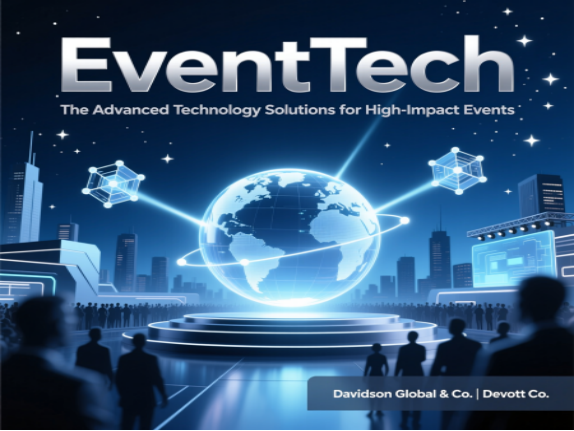
EventTech: The Advanced Technology Solutions for High-Impact
Event Tech provides a comprehensive, practical framework for designing, marketing, delivering, and evaluating modern events in an increasingly digital, data-driven world. It argues that technology is no longer a supporting feature—rather, it is the foundation on which successful events are built. The book guides event planners, business leaders, and entrepreneurs through the full event lifecycle, offering strategies applicable to both U.S. and global markets.
Technology as the New Core of Events
The preface outlines a fundamental shift: audiences, sponsors, and executives expect measurable value, seamless experiences, and personalization. Technology enables these expectations through data analytics, automation, digital communication, hybrid environments, and AI. The book positions events not as isolated gatherings, but as strategic business assets used to build brand visibility, relationships, and long-term organizational impact.
Key Concepts by Chapter
1. Justifying an Event
Event success begins with a clear strategic purpose—such as revenue generation, networking, or thought leadership. The book emphasizes setting measurable KPIs and aligning them with broader organizational goals. Stakeholder analysis frameworks help determine who must be convinced and what value matters to them. Predictive analytics, ROI calculators, and event simulation software provide data-driven support for funding decisions. The chapter also highlights structuring compelling sponsorship value propositions and selecting credible experts who reinforce the event’s mission.
2. Budgeting and Estimating ROI
Effective budgeting requires more than historical estimates. The book recommends zero-based budgeting, real-time financial dashboards, and cloud collaboration to maintain accuracy—especially for international events with currency fluctuations or variable costs. It introduces multidimensional ROI models that evaluate financial returns, brand visibility, and relationship value. Risk modeling software, contingency planning, and long-term value assessments (such as customer lifetime value and market penetration) ensure financial sustainability. Practical templates and ROI calculators help standardize planning and reporting.
3. Promoting Events to Sponsors
Sponsorship is reframed as a mutually beneficial partnership. The chapter explains how to build sponsor personas—detailed profiles of sponsor needs, objectives, KPIs, and budgets. To stand out in a competitive landscape, events must offer technology-rich sponsorship packages that include digital brand placements, analytics dashboards, hybrid activations, and tiered benefits. Professional, visually compelling proposals supported by case studies and data help secure sponsor buy-in. Long-term partnerships are strengthened through CRM systems, timely communication, and transparent analytics.
4. Event Marketing to Prospective Attendees
Marketing to attendees requires understanding their journey from awareness to registration. Personalized outreach, culturally relevant messaging for global audiences, and multi-format content (video, podcasts, teasers) help build anticipation. Effective strategies include SEO-optimized event websites, social media campaigns, paid advertising, and marketing automation. Email segmentation, A/B testing, and retargeting strengthen conversion. The chapter stresses optimizing the registration process—simple forms, clear pricing, and multilingual support—to maximize sign-ups.
5. Onsite Attendee Management
The onsite experience shapes attendee satisfaction and event reputation. The book highlights modern tools such as contactless check-ins using QR codes or RFID, on-demand badge printing, and integrated event apps. Managing crowd flow with IoT sensors, predictive analytics, and real-time monitoring improves safety and movement. AI-driven personalization, biometric access control, emergency response systems, and accessibility technologies ensure that events are inclusive, secure, and efficient.
6. Learning and Interaction Channels
High-impact events maximize learning and interaction. Tools such as Slido, Mentimeter, and gamification features enhance engagement. Learning science techniques—microlearning, spaced repetition—improve content retention. AI-based matchmaking tools optimize networking by connecting attendees with shared goals. Hybrid and virtual formats expand global participation through streaming, interactive tools, and content libraries. Recording and distributing session content extends event value well beyond its conclusion.
7. Sponsorship Revenue Channels
The book explores how events can maximize measurable sponsor ROI. Multi-touch attribution modeling, conversion tracking, and real-time analytics dashboards allow sponsors to quantify impact. Lead generation systems integrate with sponsor CRMs to deliver qualified leads efficiently. Augmented reality activations, digital signage, and social media integration amplify brand exposure. Direct selling opportunities—e-commerce integration and mobile payments—add revenue streams. Post-event follow-ups and engagement tracking help secure repeat sponsors.
8. Efficient Travel Support
Travel support is essential for domestic and international events. Integrated platforms streamline bookings across flights, hotels, and ground transportation. Visa automation, multicurrency payments, and rideshare integration reduce friction for international guests. Real-time alerts for travel disruptions, GPS-enabled shuttle tracking, and geolocation-based destination guides enhance traveler confidence and comfort.
9. Adding Value Through Speakers, Entertainment, and Local Experiences
External elements—keynote speakers, entertainment, and cultural experiences—significantly elevate an event’s appeal. The book recommends leveraging speaker marketplaces, AI-based matching, and audience preference analytics to select the right contributors. Tools such as EventCAD streamline technical planning, while scheduling algorithms and vendor monitoring systems ensure smooth execution. Smart budgeting through negotiation platforms and group-purchasing tools helps maximize impact while controlling costs.
10. AI’s Transformative Impacts
AI already enhances events through chatbots, virtual assistants, personalization engines, predictive analytics, NLP-based sentiment analysis, and computer vision. Future trends include generative AI for automated content creation, autonomous event management systems, hyper-personalized attendee experiences, and AI-powered sustainability. Ethical considerations—data privacy, algorithmic bias, transparency—must guide responsible adoption.
Conclusion
Event Tech presents a forward-looking blueprint for organizing high-impact events that are data-driven, technologically sophisticated, globally adaptable, and strategically aligned with organizational goals. By integrating advanced technology across planning, marketing, execution, and evaluation, event organizers can create memorable, measurable, and meaningful experiences that resonate with attendees and stakeholders worldwide.
| 本文由戴维德森国际咨询与鼎韬咨询联合研究发布,英文原版已通过亚马逊非AI检测系统认证,中文翻译与插图得到AI辅助。
| 原文链接:https://www.amazon.com/dp/B0DZ138NHN
版权所有:天津市数字贸易综合服务平台 备案号:津B2-20080229-9







 联系人:高杨
  手机:+86-131-1480-9286
  邮箱:gloria.gao@devott.com
  微信:13114809286